Reverse Heart Disease & Stroke in Singapore
- Poor diet (processed foods, refined sugars, oil, salt, saturated fats, meat heavy)
- Metabolic syndrome (high cholesterol, triglycerides, high blood pressure, diabetes, obesity)
- Poor gut health
- Physical inactivity
- Chronic stress
- Smoking / vaping
- Alcohol consumption
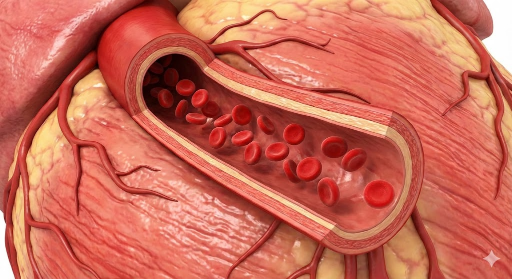
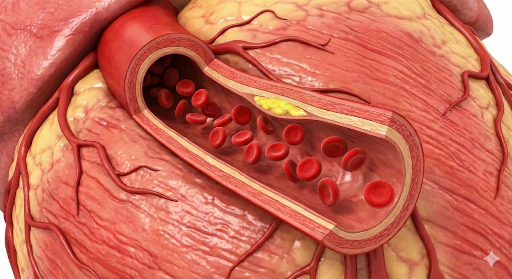
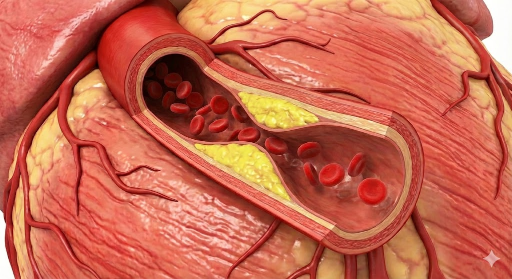
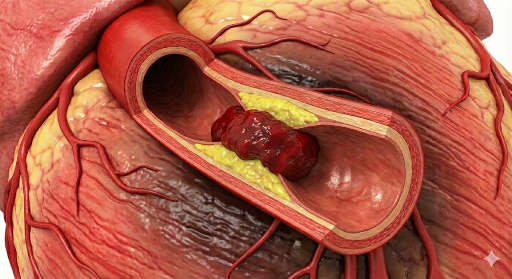
- Hard plaque (calcified) – Like a "scar" on the artery wall, it is typically stable, non-dangerous and does not go away.
- Soft plaque (lipid-rich) – A volatile mixture of cholesterol, fat, and inflammation, it can rupture and cause heart attacks.
The Reversal Mechanism
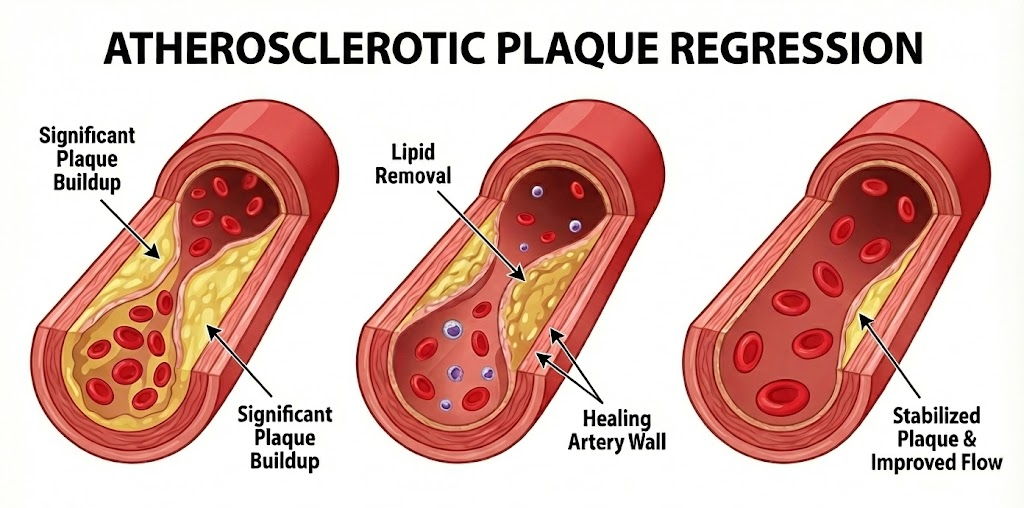
Lifestyle Heart Health Program (LHHP)
- In the Ornish Program conducted by Dr Dean Ornish, 82% of participants experienced coronary plaque regression after 1 year, and continued after five years. Participants also reported a 90% reduction in angina in nine weeks.
- In the Esselstyn Heart Disease Program conducted by Dr Caldwell Esselstyn, patients with severe CAD saw a halt in disease progression, restoration of blood flow through the heart muscle (myocardial perfusion) and significant angiographic reversal of atherosclerosis. Symptoms diminished and often disappeared within 12 weeks. Cardiac events ceased in 97.8% of patients.
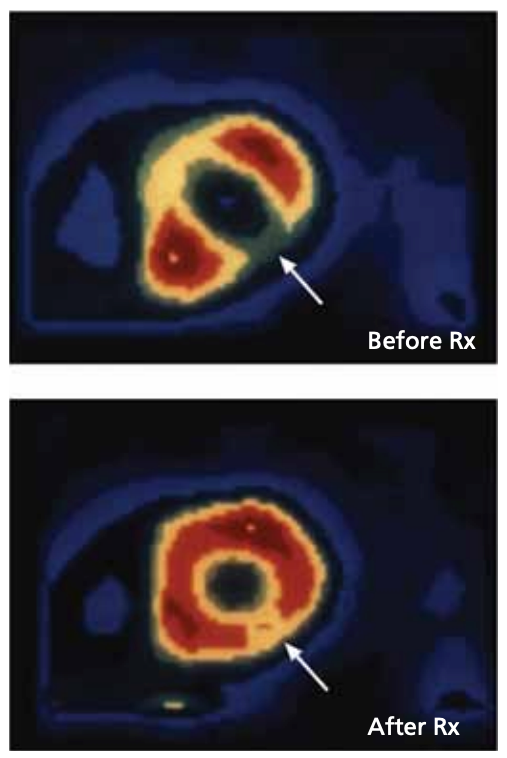
Above: PET scan shows normal blood flow restored to heart muscle after 3 weeks of lifestyle intervention.
Credit: Dr Caldwell B. Esselstyn
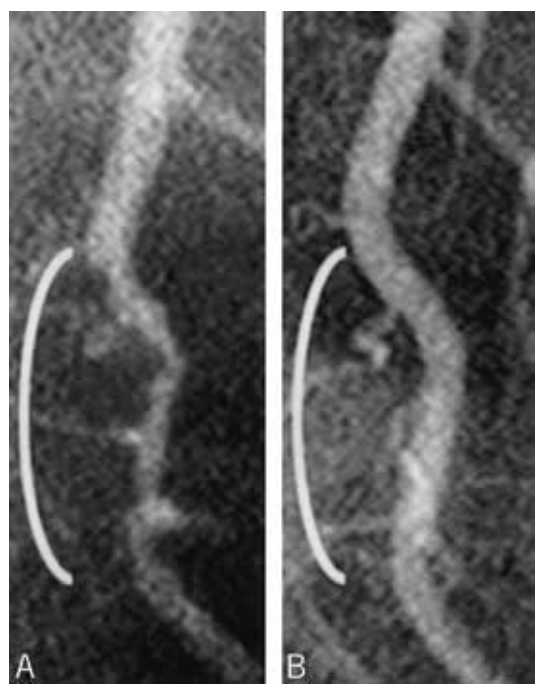
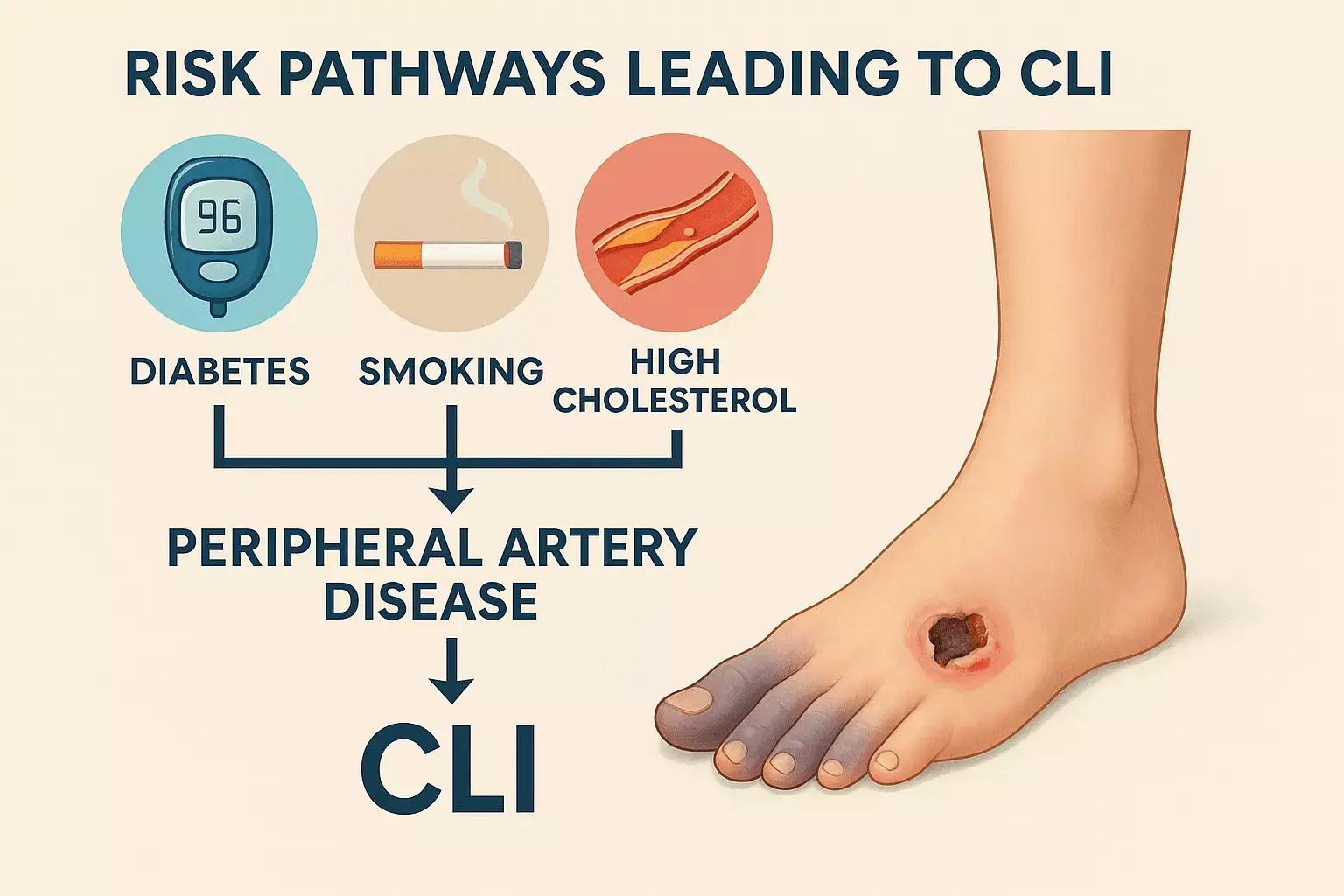
- Regressing fatty deposits or atherosclerotic soft plaques in blood vessels to reduce risk of further clogging, claudication and heart attack (refer to the section above on coronary artery disease) by lowering VLDL, sdLDL, LDL, ApoB and triglyceride levels in the blood.
- Lowering blood sugar levels and glycemic control to prevent further damage to endothelial lining of blood vessels and nerves in the feet.
- Resolving chronic inflammation to avoid soft plaque growth.
- Lowering blood pressure levels to improve blood vessel integrity and cardiovascular health.
- Restoring blood vessel integrity, strength and flexibility – improves endothelial function, arterial flexibility, vasodilation, blood circulation and increases blood oxygen to the muscles. This helps to reduce the pain and prevent CLI.
- Lowering stress and increasing motivation to quit smoking, which improves angiogenesis and blood circulation to the limbs.
- Improving adherence to prescribed exercises that promotes angiogenesis to improve blood circulation to the limbs.
As the name suggests, hypertensive heart disease (HHD) is caused by high blood pressure (above 120/80 mm Hg). When your heart pumps against high pressure for years, its muscles thickens (left ventricular hypertrophy) and stiffens (diastolic dysfunction). It gradually looses efficiency for pumping blood to the rest of your body and this is a form of heart failure.
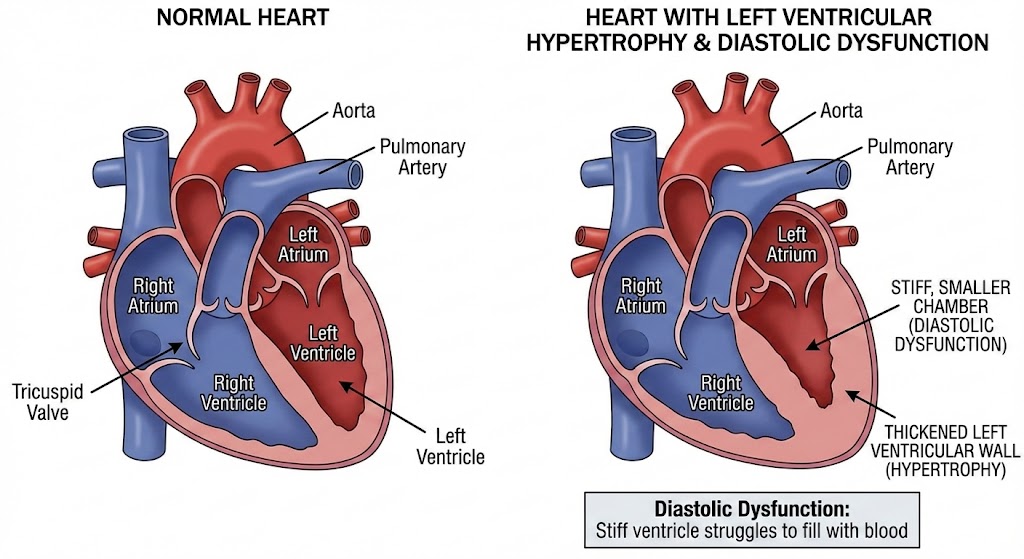
Sustained high blood pressure also causes artery walls to wear and tear much faster, allowing lipid particles containing LDL cholesterol and triglycerides to lodge and accumulate as fatty deposits / plaques. This leads to the narrowing of arteries and even higher blood pressure. It also increases the risk of coronary artery disease (CAD), peripheral artery disease (PAD), heart attack and stroke.
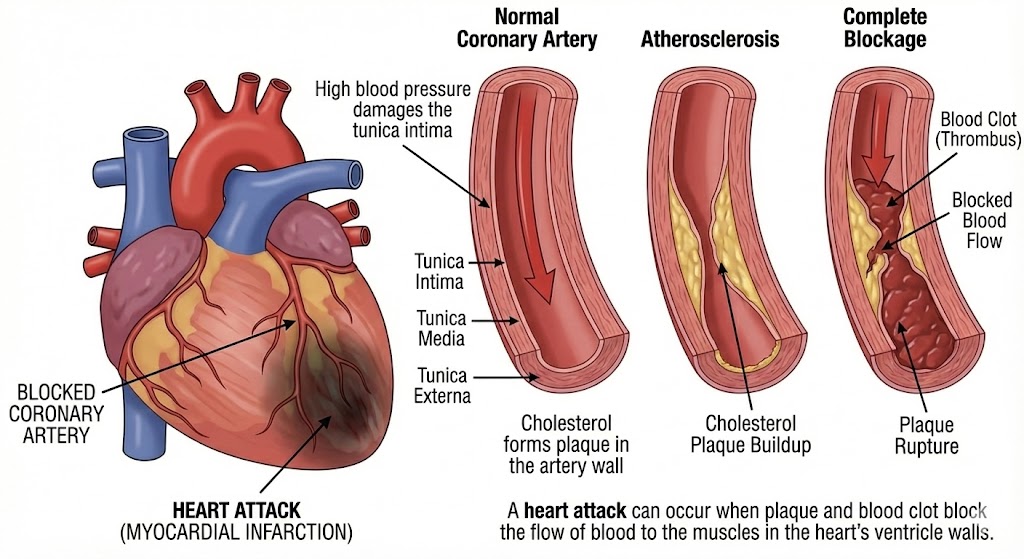
- Left ventricular hypertrophy (LVH) – Thickening of the left ventricle is highly reversible by aggressive blood pressure control. Heart mass can sometimes be normalised within 6 to 12 months.
- Diastolic dysfunction – The stiffness of the ventricles is reversible where fibrosis (scarring of the muscle tissue) has not occurred. As the ventricular muscles thins out, it becomes flexible again to allow the heart to be filled properly.
- Atrial enlargement – If the upper chambers (atria) have stretched significantly due to high blood pressure, they often remain enlarged and irreversible. This causes a sustained risk for atrial fibrillation (Afib) / abnormal heart rhythm even after blood pressure is fixed.
Lifestyle Heart Health Program (LHHP)
- Lowering blood pressure levels by relaxing and dilating the blood vessels to depressurise and return the heart muscles to normal as soon as possible. This helps to reverse LVH, diastolic dysfunction and possibly avoid atrial fibrillation.
- Restoring blood vessel integrity, strength and flexibility – improves endothelial function, arterial flexibility, vasodilation and blood circulation.
- Lowering stress and increasing motivation to quit smoking and alcohol consumption, which helps to relax the arteries.
- Resolving chronic inflammation to reduce the constriction of arteries as well as avoid soft plaque growth.
- Regressing fatty deposits or atherosclerotic soft plaques in blood vessels to reduce risk of CAD, PAD, heart attack and stroke (refer to the section above on coronary artery disease) by lowering VLDL, sdLDL, LDL, ApoB and triglyceride levels in the blood.
- Lowering blood sugar levels and glycemic control to prevent further damage to endothelial lining of blood vessels.
- Improving adherence to lifestyle goals that helps lower blood pressure systematically and provide other physiological benefits.
Heart failure is a serious long-term chronic condition where your heart isn’t pumping enough blood. The weakened heart is less able to pump the blood and oxygen that your body needs and there is a shortfall.
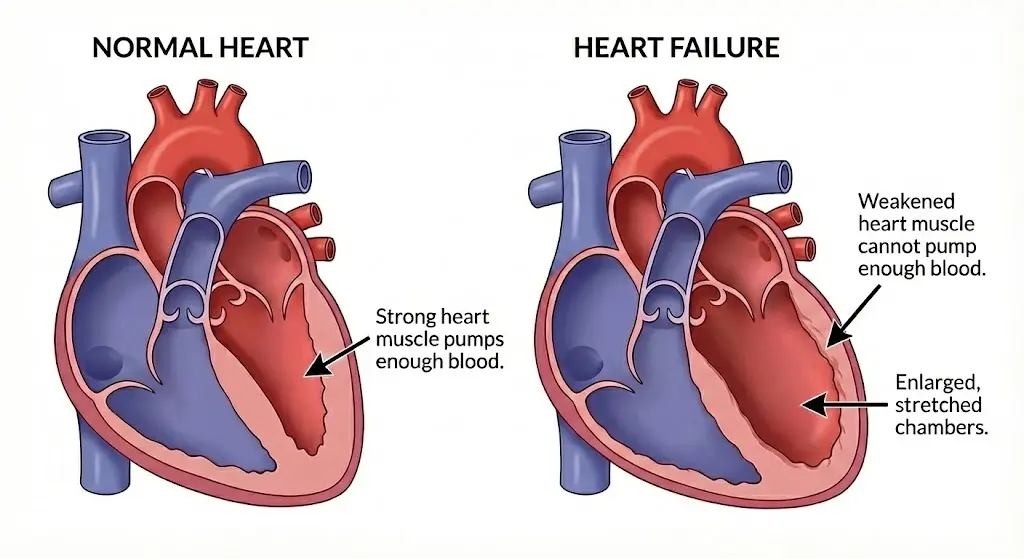
- Shortness of breath, especially when lying down
- Tired, rundown feeling (fatigue)
- Persistent coughing or wheezing, especially when you exercise or lie down
- Build up of fluid (edema) in feet, ankles, legs, fingers, stomach or lungs
- Weight gain from fluid buildup
- Lack of appetite, nausea
- Confusion or can’t think clearly
- Increased heart rate
- Dizziness or lightheadedness
This can help you to manage and even reverse disease progression to restore your health as much as possible so that you can have the best possible quality of life.
- Ischaemic stroke (clot in brain) – Occurs when a blood vessel supplying blood to the brain is obstructed. It accounts for 87% of all strokes. Embolism, or the blockage of blood vessels in the brain can be caused by a blood clot travelling up from the rupture of an atherosclerotic plaque down in the carotid artery. This causes blood and oxygen supply to be cut off in the affected area of the brain.
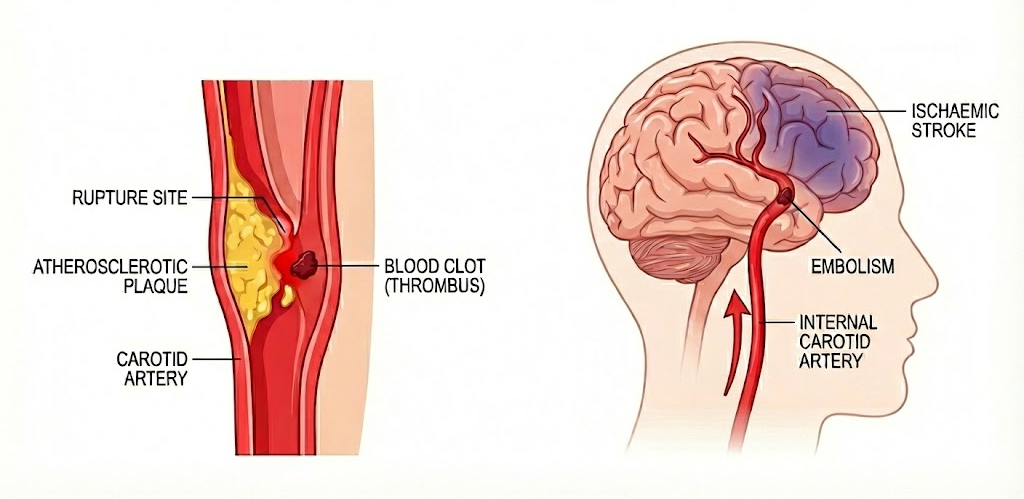
- Hemorrhagic stroke (bleeding in brain) – Occurs when a weakened blood vessel ruptures. The bleeding can happen within the brain matter or between the brain and the skull. The most common cause of this is uncontrolled high blood pressure.
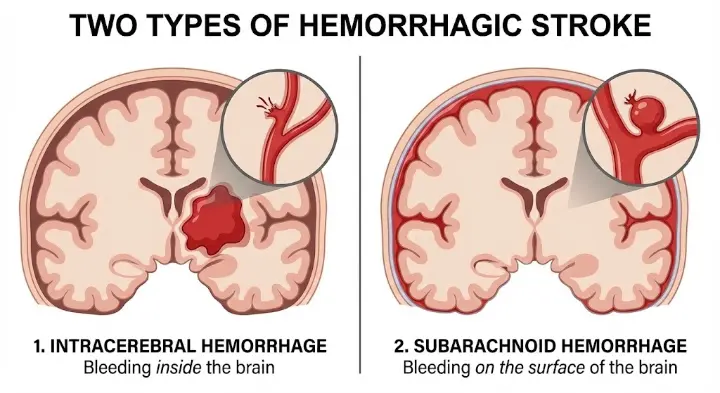
The Lifestyle Heart Health Program (LHHP) works to eliminating the root causes of both types of stroke to help clients prevent the first or subsequent strokes and build better cardiovascular health.
Lifestyle Heart Health Program (LHHP)
- Regressing fatty deposits or atherosclerotic soft plaques in blood vessels to reduce risk of further clots and strokes (refer to the section above on coronary artery disease) by lowering VLDL, sdLDL, LDL, ApoB and triglyceride levels in the blood.
- Lowering blood sugar levels and glycemic control to reduce clotting and damage to endothelial lining of blood vessels.
- Resolving chronic inflammation to avoid soft plaque growth, clots and strokes.
- Lowering blood pressure levels to improve blood vessel integrity and cardiovascular health, to reduce stroke risk.
- Restoring blood vessel integrity, strength and flexibility – improves endothelial function, arterial flexibility, vasodilation, blood circulation and lowers blood pressure to prevent bleeding in brain.
- Lowering stress and increasing wellbeing to lower chronic inflammation and blood pressure levels to reduce stroke risk.
- Reducing excess fat mass sustainably to improve respiratory airflow for clients with sleep apnea, to reduce stroke risk.
- Eliminating alcohol intake to avoid triggering more inflammation and prevent atrial fibrillation (Afib) or irregular heartbeat, to reduce stroke risk.
Watch over your heart with all diligence, from it flows the springs of life.
Lifestyle Heart Health
Program (LHHP)
7 Pillars of Lifestyle Health:
What You Will Gain
By enrolling in the Lifestyle Heart Health Program (LHHP) you will:
- Learn to see yourself in a brand new way
- Learn how each of the 7 lifestyle pillars lead to your health and longevity
- Learn whether your current lifestyle habits lead to heart disease progression
- Learn and use optimal lifestyle approaches for heart disease reversal
- Learn and use various numbers to track heart disease reversal
- Learn and harness your inner motivations, strengths and resources
- Chart a path towards achieving your health aspirations
- Take steps towards lasting health restoration and transformation
- Be supported to overcome obstacles when they arise
- Gain confidence in your ability to manage your health
- Gradually improve your cardiovascular health naturally
- Gain years to your life and life to your years

Jake Oh
Professionally Certified & Accredited Health Coach (NUS, WCA, HCANZA)
FAQs
- Creating personal agency: Shifting the dynamic from "doctor fixes patient" to "patient takes charge of their health."
- Breaking your barriers: Coach helps navigate real-life obstacles (e.g., "I know I should cook, but I'm too tired after work").
- Accountability: Having a regular check-in encourages adherence to activities you might otherwise skip.